
I have spent more than a decade in strategic communications and media relations, across a range of sectors. None shaped me like humanitarian work in conflict.
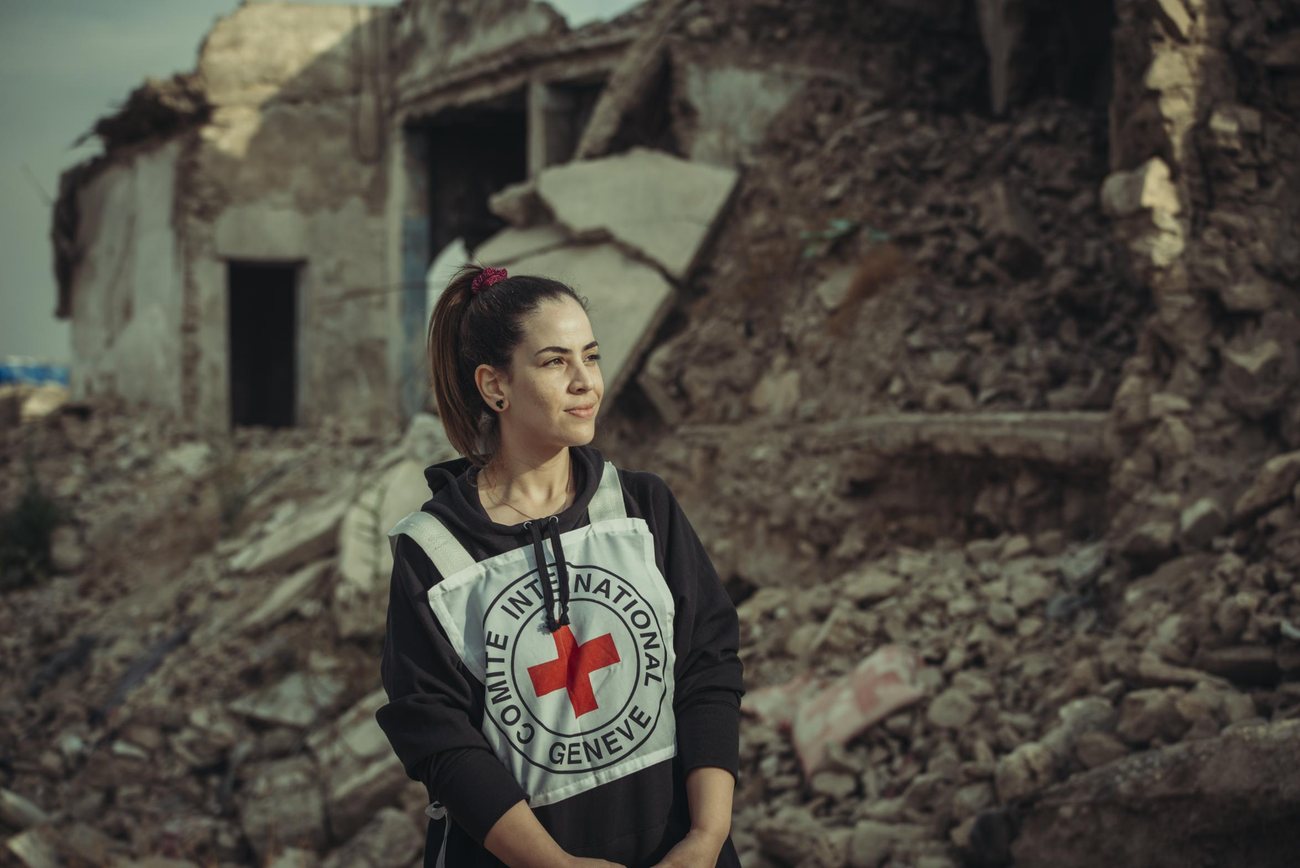
Alongside some of the world’s most respected humanitarian organisations, in several countries and emergencies, I learned ten lessons that changed how I practise this profession.
A good cause doesn’t buy a free media pass.
Journalists owe you nothing. Worthy is not the same as newsworthy.
Audience boredom is your real competitor.
Humanitarian communicators fight for attention as hard as any other sector, and use the same channels and tools as any other actor looking to build an audience.
Adaptation speed is the real job.
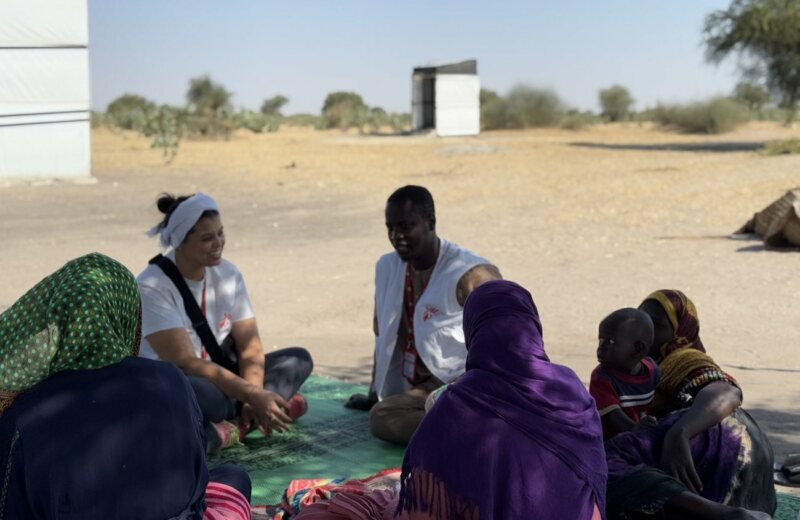
When on a new mission, you have a whole environment to analyse and understand, and you need to know exactly what to say, how to say it and to which audience. The institutional onboarding gets you through the door; the real onboarding starts when you step into the field to listen and observe.
Whatever the scale of the emergency, go back to one question:
What do we want to achieve, and for whom?
There is no such thing as a mass audience.
Segmenting audiences and tailoring messages becomes instinct.
Master communication strategy in conflict and you master strategy, period.
The humanitarian communicator is part geopolitical analyst, part crash-course cultural learner, part stakeholder mapper, part content producer.
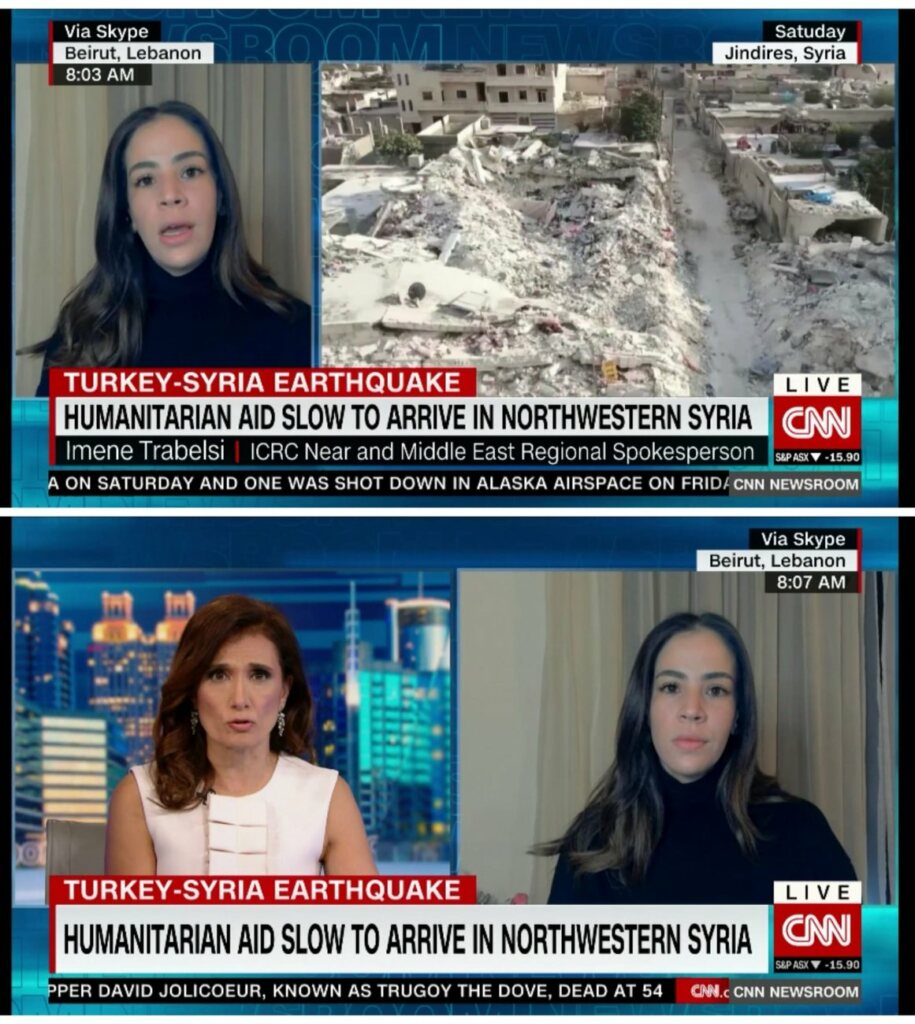
You don’t really know crisis communication until you’ve done it in the field.
That means running emergency-operations communication and reputation management at the same time, in parallel, amid chaos.
You learn skills without noticing.
Then you change assignments and realise you can now run a security assessment, with no formal training.
Conflict reporters are your best teachers.
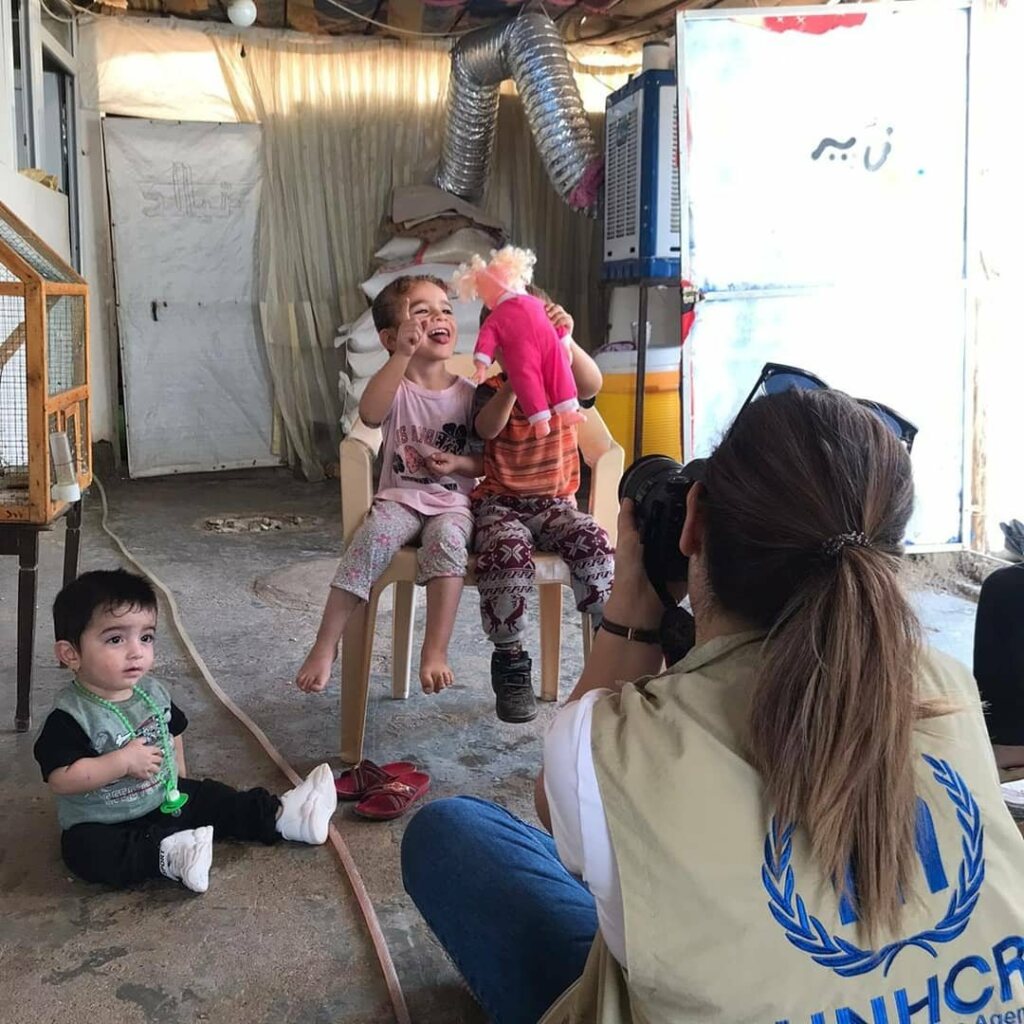
Humanitarian PR professionals are in frequent contact with war reporters, and working beside them teaches you how to craft a story worth paying attention to.
There is no such thing as an impossible assignment.
Only ones you haven’t found the way into yet.